

British Columbia
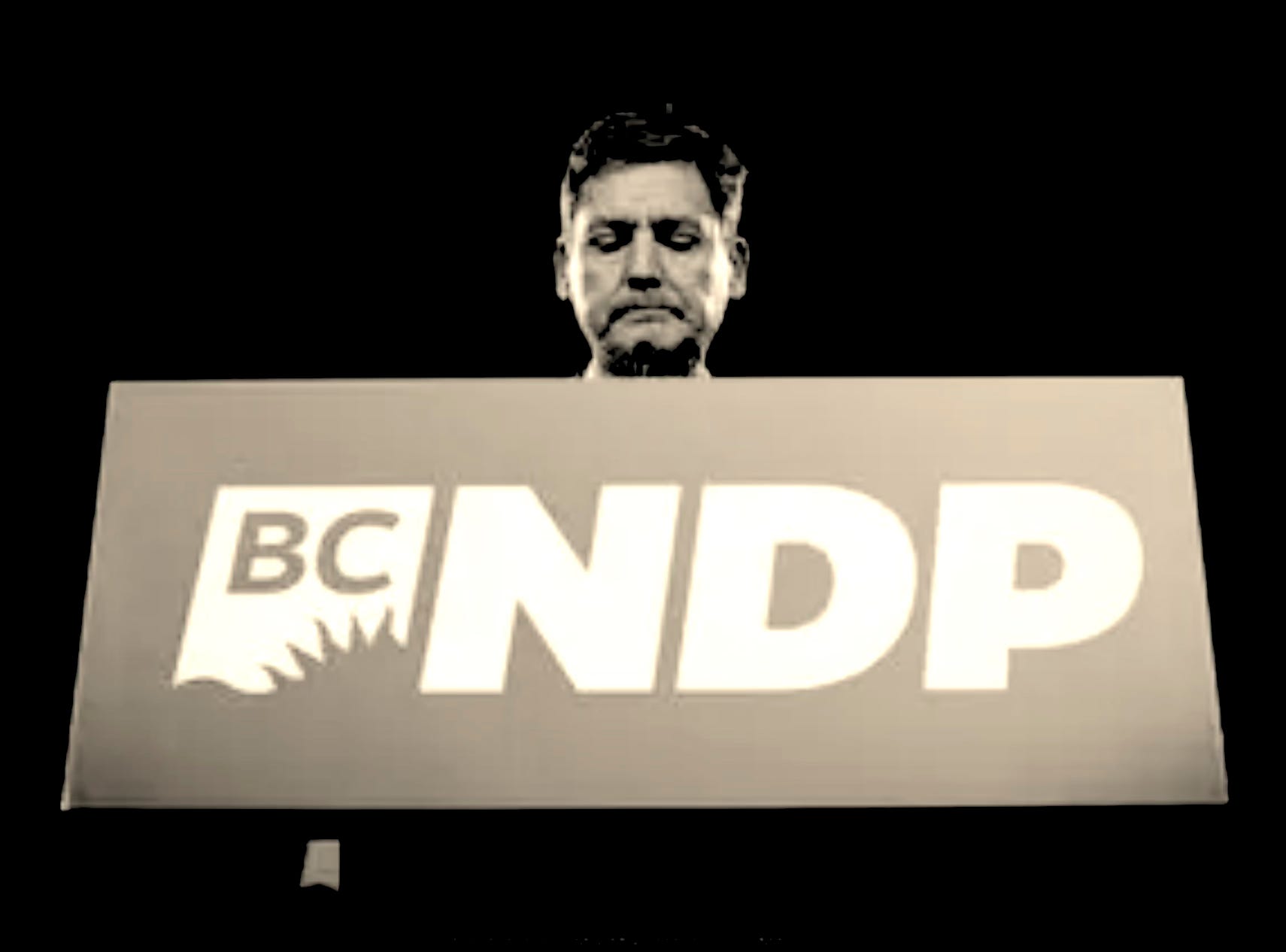
NDP premier David Eby’s snap election call backfired, and Lorne Doerkson’s Conservative Party swept to power October 24th. It was the NDPs worst election result in 25 years. The Conservatives took 64 seats winning 48% of the popular vote, the NDP won just 27 seats with 37.4% of the popular vote and the Greens took just 2 seats with 11% of the popular vote.
BC population did not move right. In fact the Tories got fewer votes than in 2024. Compared to last election, the Conservative raw vote count held steady, the Greens increased significantly and the NDP dropped by 300,000 votes. The turnout was low in this election with many people disaffected with the sudden call of the election (in the midst of province wide municipal elections) and with the lack luster campaign-promises of the leading parties.
Whereas the NDP had another two years to govern, now the province has a very right-wing party to lead the province through turbulent times ahead. Neither party addressed the real cost of living and housing concerns of the electors. Eby fell into step with Carney’s strong support of Canada’s billionaires using Trump as cover. The Tories promised a strong neoliberal attack on working class living standards and social benefits.
Disenchantment stemmed from the NDP’s backtracking on issues like Indigenous rights and drug decriminalization, alongside concerns over accumulated debt and the cost of living. The party’s core progressive identity was seen as compromised, leaving its base uninspired.
David Eby has also resigned as B.C. NDP leader as he concedes the election to a Tory majority. Eby was never chosen as leader by the Party membership. After the party brass drummed Anjali Appadurai out of the party leadership race on spurious allegations at Eby’s instigation, Eby was “acclaimed” leader. The membership was never allowed to vote on Eby’s leadership when he was “acclaimed”. But they have voted now!
Vancouver
Peter Frye, Green candidate for Mayor and supported by One City (NDP) and COPE (left labour oriented) soundly defeated incumbent Ken Sim. All but one of Sim’s ABC right wing landlord council was rejected by the voters who turned out in record numbers.
The progressive slate’s strategy to form an agreement to only run the number of candidates as there were spaces on the council, park board and school board was a resounding success. COPE’s 4 candidates for City Council were all elected, with leftist Sean Orr garnishing the most votes of any councillor in history.
The progressive slate was endorsed by the Vancouver and District Labour Council and circulated on social media. COPE’s platform included a universal meal program for children in schools; a new low income transit pass; free transit for youth under 18; a pilot program for fare-free bus routes; vacancy control for rental apartments; buying apartment buildings and turning them into permanently affordable public housing and co-ops; tripling the empty homes tax; introducing a mansion tax; bringing back the Renters Office for tenants; and opening libraries 7 days a week.
Socialist Action encouraged a vote for the COPE slate.
Quebec
The sovereigntist Parti Québécois was returned to power for the first time since 2014. It is only the second election the party has won this century. Paul St-Pierre Plamondon will become premier, leading a minority government.
Three other parties won seats. The federalist Liberals — with no relationship to the Liberal party led by Carney — will serve as the Official Opposition after winning an unexpected 40 seats, mainly on the Island of Montreal. The Conservatives — also with no affiliation to the federal party of the same name — will have voices in the assembly for the first time having won 19 seats, while the progressive and sovereigntist party, Québec solidaire, elected nine members (down from the previous 12) The previous governing Coalition Avenir Québec amazingly lost all its seats.
Ligue pour l’Action socialiste / Socialist Action – dans l’etat Canadienne called for a vote for Quebec solidaire, or for candidates of the more leftist Parti Verte, but pledged to build a socialist working class party that embodies the needs and aspirations of the people of Quebec!
Hamilton
Municipal Socialist Alliance (MSA) endorsed mayoralty candidate, Scarlett Gillespie ranked 4th in a field of 15 candidates, securing 9,535 votes (6.5%) of the vote. She ran on a solid working class program attracting support from the Labour Council, some unions and numerous activists from the social justice community. The incumbent mayor, Andrea Horwath former leader of the Ontario NDP placed a distant 3rd with 20,586 votes. Over half of the previous council members were rejected.